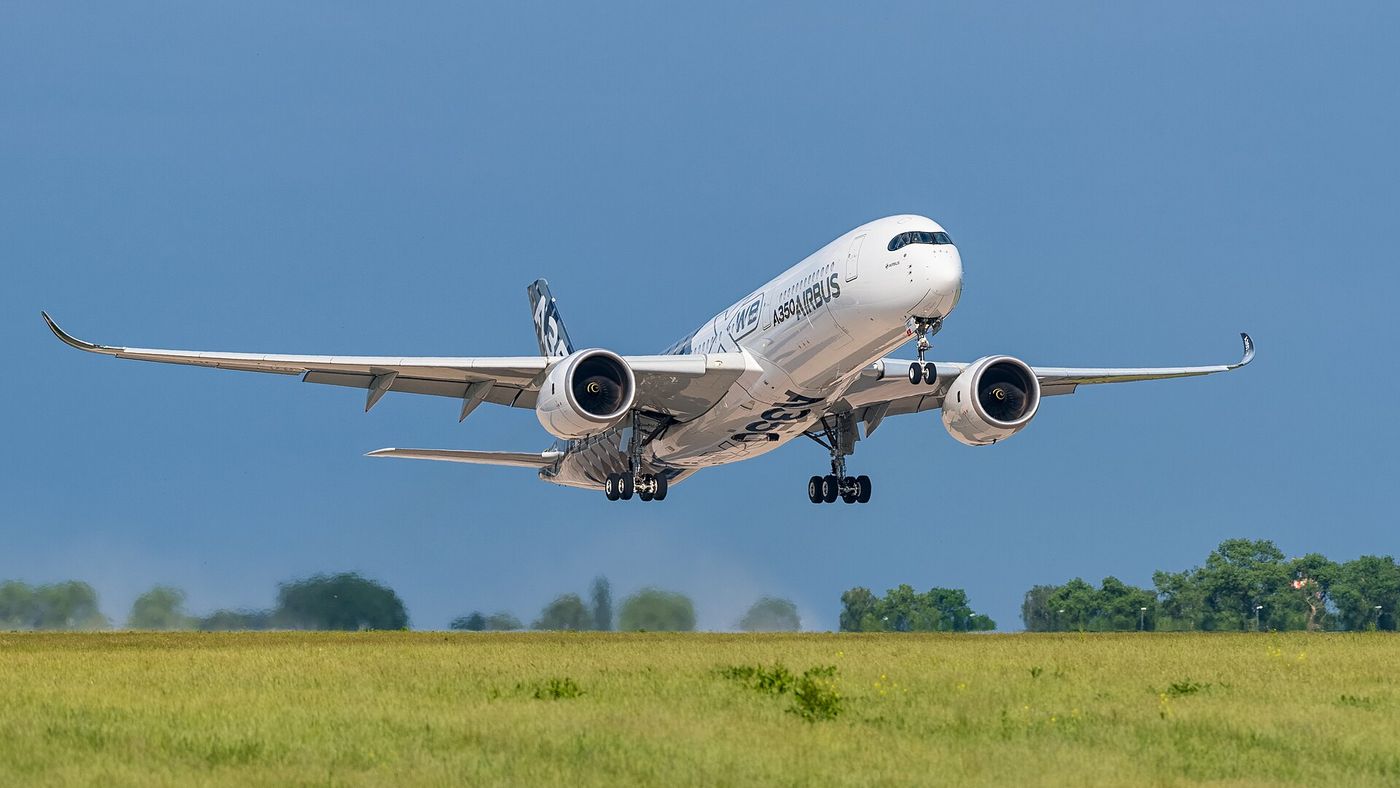
TOULOUSE, France — Five years ago the company unveiled three concept aircraft powered by hydrogen and promised that one of them would carry passengers by 2035. This year its executives stopped repeating the date.
The technical obstacle is unglamorous. Liquid hydrogen has to be kept at minus 253 degrees Celsius, and the tanks that do so are heavy, bulky and have never been certified for commercial flight. Fitting enough of them into an airliner without losing the seats that pay for the flight has proved harder than the engines.
“The combustion side is in good shape,” said one engineer involved in the program. “The storage side is where the physics is still winning.”
Airlines, which had begun to build the aircraft into their 2040 emissions plans, are now looking again at sustainable aviation fuel, which is scarce and expensive but requires no new airplane.
The company says the program continues and that a demonstrator will fly before the end of the decade. It no longer says what will follow.
A version of this article appears in print on Oct. 11, 2026, Section B, Page 10 of the European edition with the headline: The Hydrogen Airliner Was Promised for 2035. The Date Is Slipping..