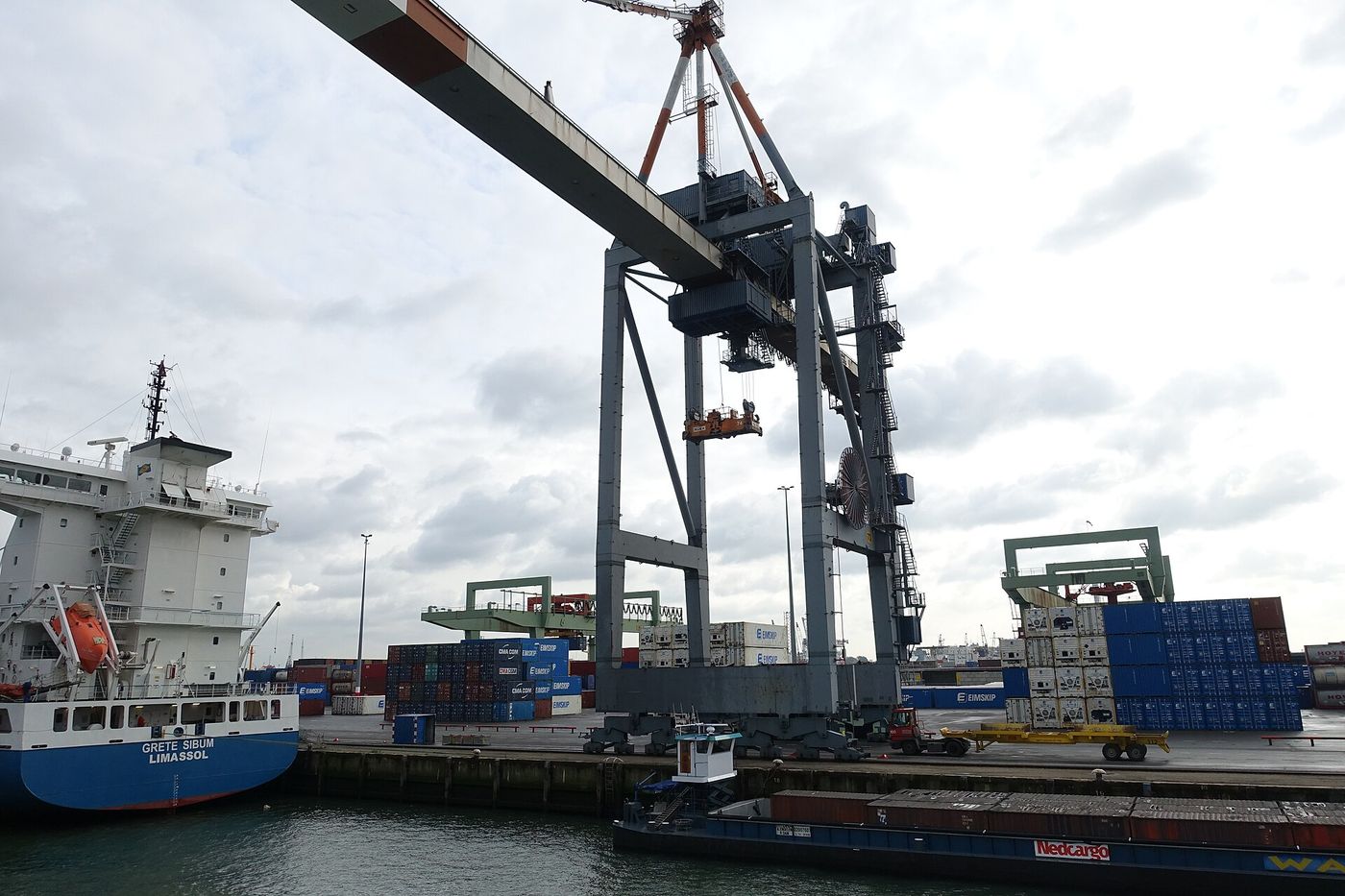
ROTTERDAM — The port authority here has spent more than a billion euros on infrastructure for a commodity that, so far, almost nobody is shipping.
Rotterdam's plan is to become for hydrogen what it already is for oil: the point where imported fuel enters Europe and is piped inland to the factories of the Ruhr. A pipeline to the German border is complete. Two ammonia import terminals are under construction.
What is missing are the exporters. Projects in Namibia, Oman and Chile that were meant to supply the port have been delayed by financing costs and by the simple fact that European buyers have been slow to sign long-term contracts at the prices producers need.
“Everyone wants to be second,” said Pieter de Groot, the port's director of energy transition. “Our job is to make being first less frightening.”
The port says the first regular cargoes will arrive in 2028. It said the same thing, about 2026, three years ago.
A version of this article appears in print on Oct. 11, 2026, Section B, Page 10 of the European edition with the headline: Rotterdam Bets Its Future on a Fuel That Does Not Yet Arrive.