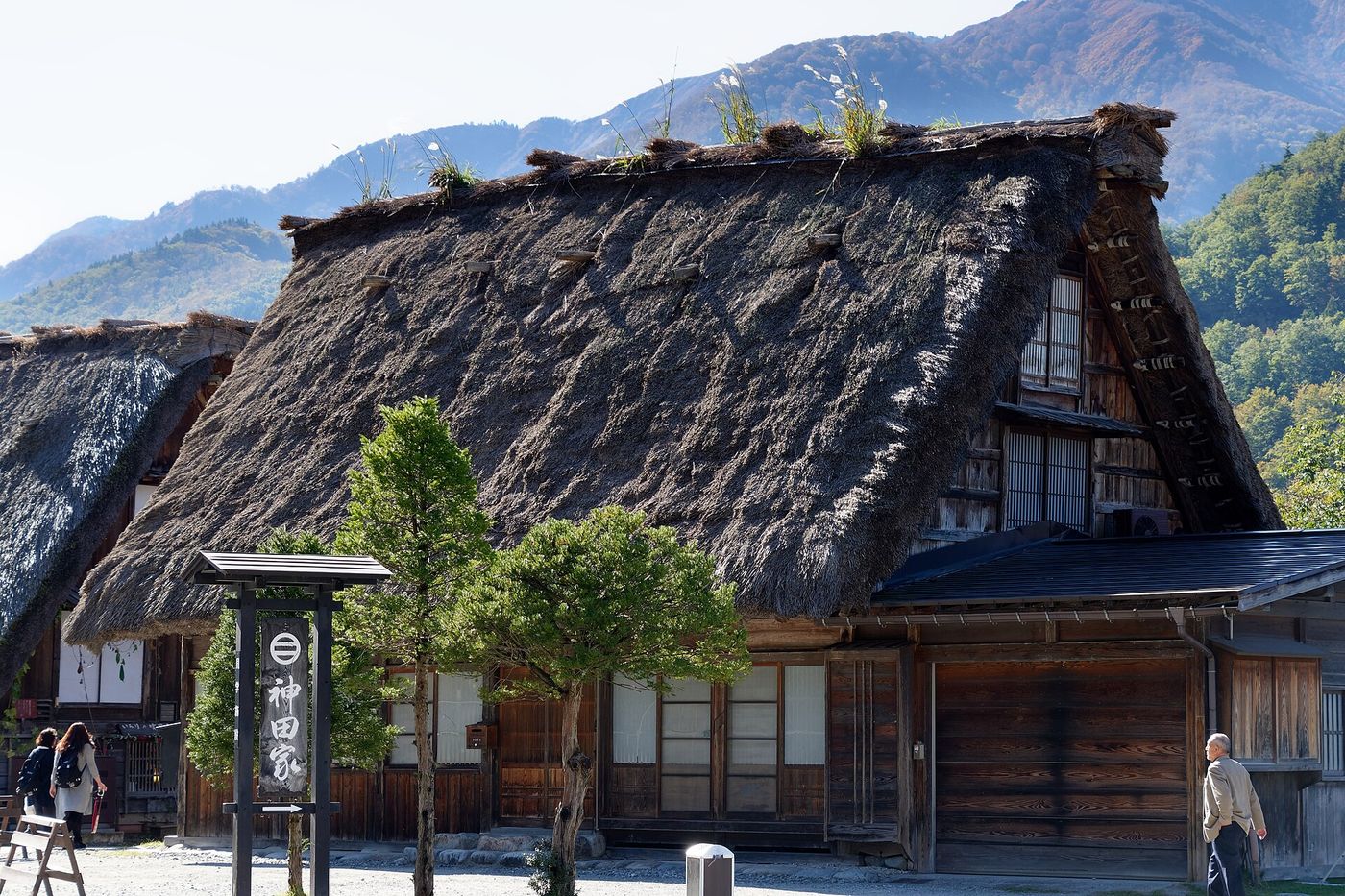
KAMIKATSU, Japan — The house came with four rooms, a garden, a view of the valley and a price of zero. The only condition was that the new owner live in it for ten years.
Across rural Japan, towns that have watched their populations halve since the 1980s have turned to increasingly inventive measures to reverse the decline. Free houses are now common. Several municipalities offer cash grants of up to 3 million yen for families with children. One, in Hokkaido, gave a dairy cow.
The programs work at the margins. Kamikatsu, a town of 1,400 in the mountains of Shikoku, has attracted about 60 newcomers in five years, most of them young people from the cities drawn by cheap space and a well-known zero-waste project.
“Sixty people does not sound like much,” said the mayor, Hiroshi Hanamoto. “For us it is the difference between a town and a memory.”
Nationally the arithmetic is unforgiving. Japan's population fell by more than 500,000 last year, and the Ministry of Internal Affairs projects that nearly half of the country's municipalities could cease to be viable by 2050.
A version of this article appears in print on Oct. 11, 2026, Section A, Page 17 of the European edition with the headline: Japan's Shrinking Towns Are Paying People to Stay. Some Are Paying People to Come..