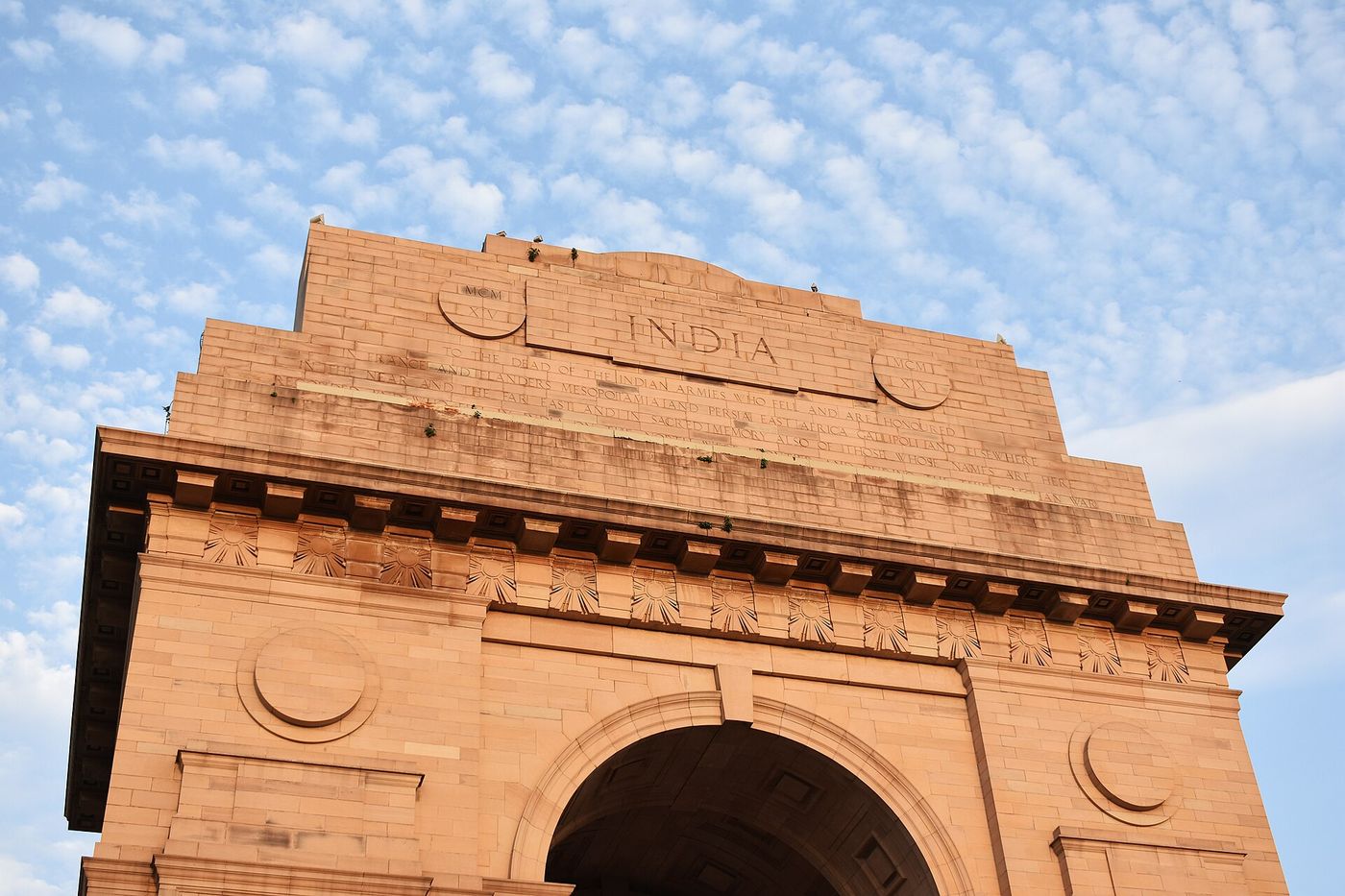
NEW DELHI — The haze settled over New Delhi on Friday night and by Saturday morning had swallowed the skyline, with the city’s air quality index reaching 412 at 8 a.m., a level the government classifies as “severe” and one not usually seen until the first week of November.
Satellite data from India’s space agency recorded more than 2,900 crop fires across Punjab and Haryana on Friday alone, nearly four times the figure for the same day last year. Farmers in the two states, which grow much of India’s rice, burn the stubble left after harvest to clear fields quickly for wheat planting. This year an unusually wet September delayed the harvest by about two weeks, compressing the burning season into a narrow window that coincides with the onset of cooler, stagnant air.
“The farmers have perhaps 12 days between rice coming off and wheat going in, and the machines that could clear the straw without fire are not where they need to be,” said Dr. Sunita Bhardwaj, a senior fellow at the Centre for Science and Environment, a research group in Delhi. “So they do what they have always done.”
Delhi’s government on Saturday activated the second stage of its emergency pollution plan, banning diesel generators, halting construction at sites larger than 500 square meters and ordering 1,200 water-sprinkling trucks onto the roads. Primary schools were told to move outdoor activities indoors. The chief minister, Rajesh Khurana, said the city would “not hesitate” to impose vehicle restrictions if the index remained above 400 for 48 hours.
Farm fires typically contribute between 20 and 40 percent of Delhi’s particulate pollution in late October and November, according to studies by the Indian Institute of Technology in Kanpur, with vehicles, construction dust and industrial emissions making up the rest. The region’s geography, hemmed by the Himalayas to the north, traps pollutants as temperatures fall.
The Punjab government said it had distributed 148,000 straw-management machines over five years and had promised farmers a payment of 2,500 rupees, about $30, per acre for not burning. But in the village of Bhaini Sahib, outside Ludhiana, farmers said the money arrived late or not at all. “Last year I did not burn, and I am still waiting for the payment,” said Gurpreet Singh Dhillon, 44, who farms 12 acres. “This year I have wheat to plant. I cannot wait for a government check.”
At the Safdarjung Hospital in south Delhi, the emergency department reported a 30 percent rise in patients with breathing complaints over 24 hours. “We see it every year, and every year it is a little earlier,” said Dr. Meenakshi Iyer, a pulmonologist. “The children who come in now will come back in November, and again in December.”
Forecasters said winds were unlikely to shift before Tuesday.
A version of this article appears in print on Oct. 11, 2026, Section A, Page 10 of the European edition with the headline: Delhi’s Smog Season Arrives Early as Farm Fires Spike Across Northern India.