COPENHAGEN, Denmark — Everything a city swallows ends up in its sewers, including the bacteria its residents carry and the genes those bacteria have picked up along the way. For seven years, a team at the Technical University of Denmark has been sampling that effluent across Europe. Its latest results, published Thursday in Nature Communications, are not reassuring.
The gene NDM-1, which allows bacteria to break down carbapenems — antibiotics used when nearly everything else has failed — was detected in untreated wastewater from 31 of the 42 cities sampled in 2025, up from 12 of the same 42 in 2019. In Naples, Bucharest, Athens and Sofia, the gene’s abundance had more than quadrupled. In Helsinki, Oslo and Reykjavik it remained below the detection threshold.
“Sewage does not lie and it does not need a doctor’s appointment,” said Mette Haugaard, a microbiologist who leads the project. “It tells us what a million people are carrying on a given Tuesday. What it is telling us is that the resistance we used to associate with hospitals is now in the community, and it is moving.”
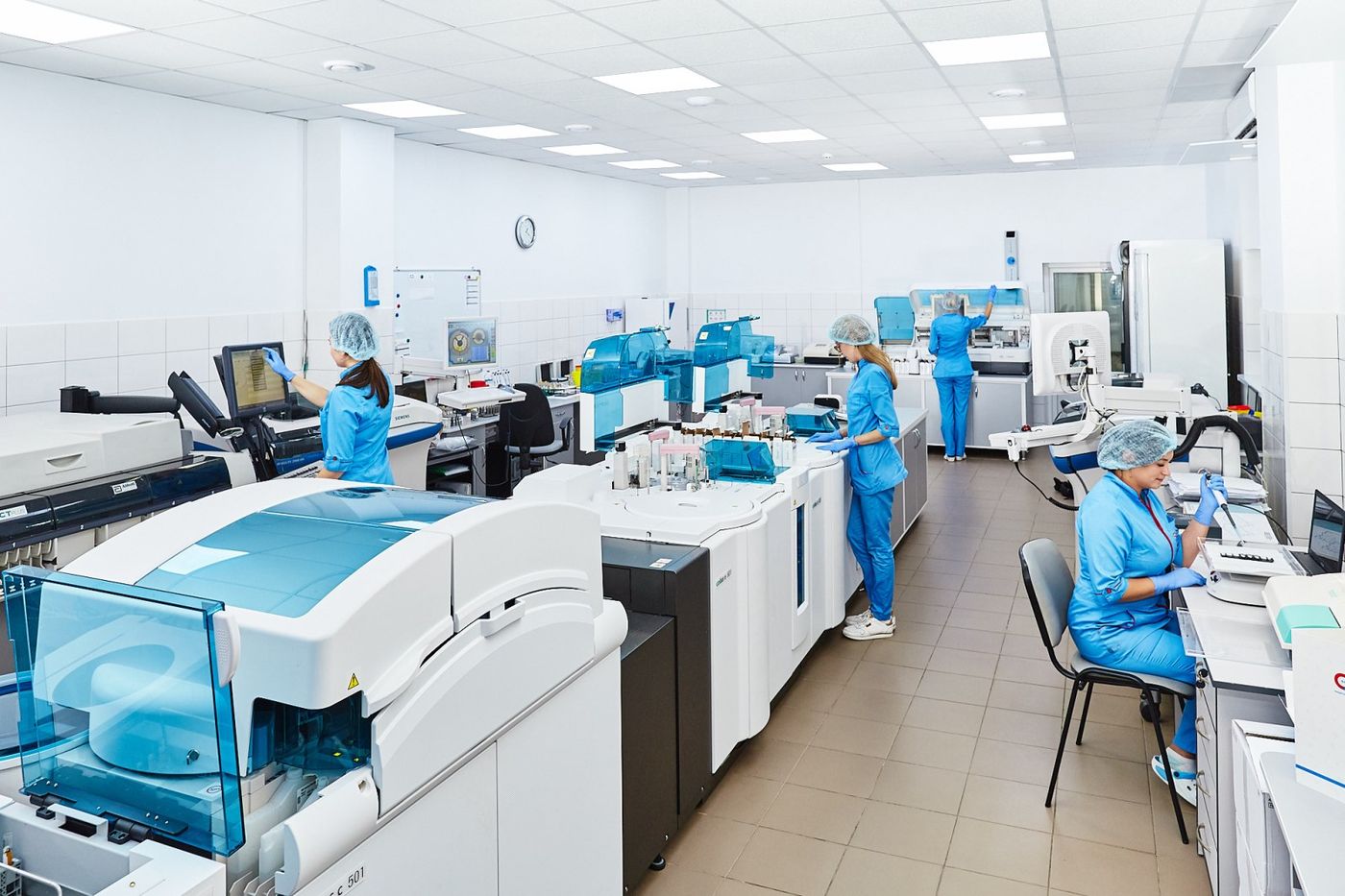
The team sequenced all the genetic material in each sample rather than growing bacteria in culture, a method that captures resistance genes regardless of which species carry them. Across the 42 cities, the total load of genes conferring resistance to any antibiotic rose about 9 percent over the period. The north-south gradient closely tracks differences in antibiotic prescribing, which in Greece and Romania runs at roughly twice the rate of Sweden and the Netherlands.
The European Center for Disease Prevention and Control estimates that resistant infections kill more than 35,000 people a year in the E.U. and the European Economic Area. Tomás Breathnach, a senior adviser on antimicrobial resistance at the World Health Organization’s European office, called the study “exactly the kind of early warning system we have been asking for,” and said wastewater monitoring should become routine, as it did for Covid-19. “It costs a fraction of clinical surveillance and it sees around corners,” he said.
The findings also raise a question about tourism and travel, Dr. Haugaard said. Samples from Mediterranean resort cities showed pronounced seasonal spikes in July and August. “People go on holiday, they get sick, they take what the pharmacy gives them, and they come home,” she said. “The genes come home too.”
The team plans to expand to 60 cities next year and to add sampling of hospital outflows separately from residential sewage. “Right now we see the ocean,” Dr. Haugaard said. “We would like to see the rivers that feed it.”
A version of this article appears in print on Oct. 11, 2026, Section A, Page 17 of the European edition with the headline: A Survey of Sewage in 42 European Cities Finds Resistance Genes Spreading Fast.