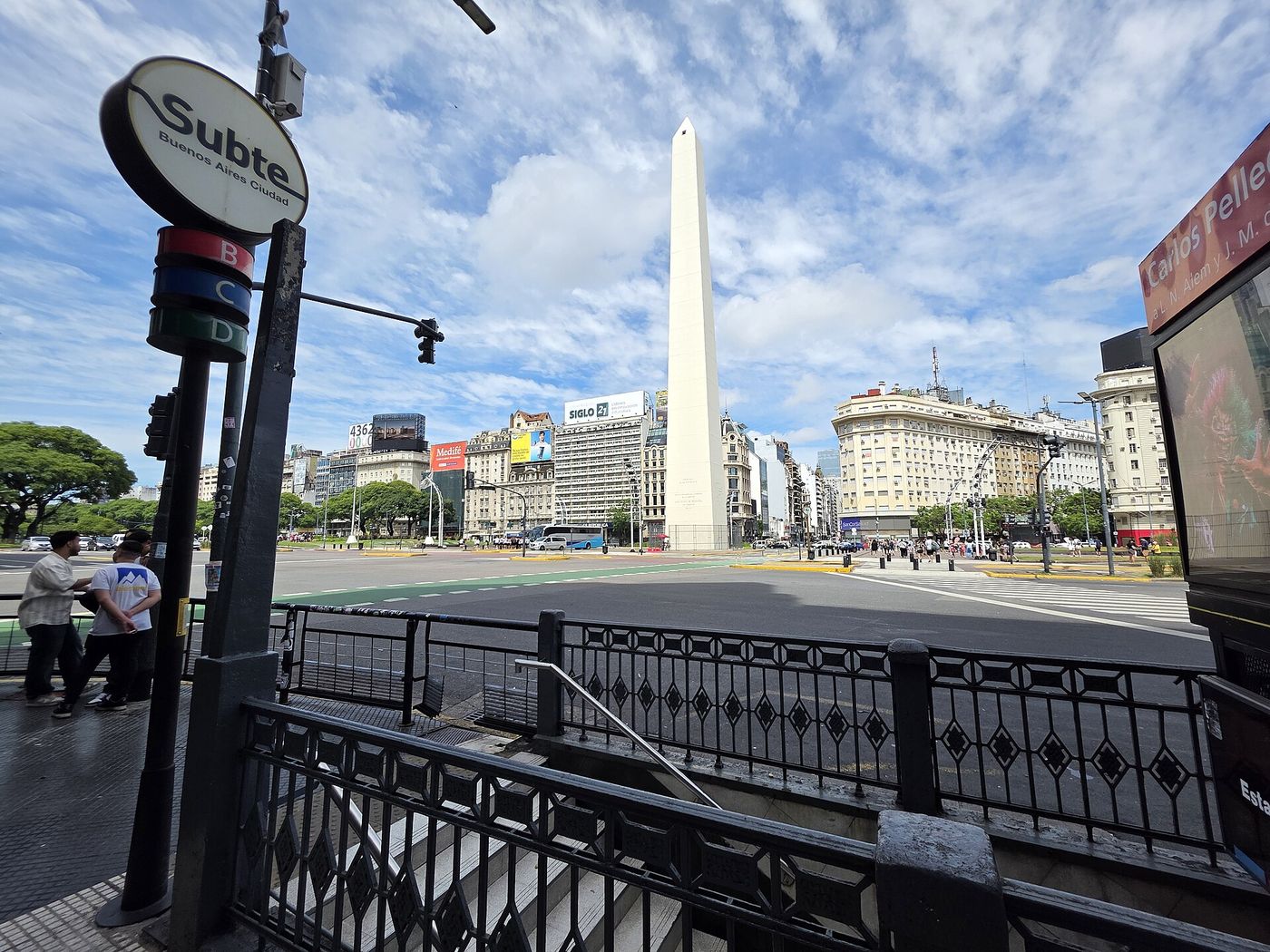
BUENOS AIRES — The numbers on the wall of the butcher's shop on Avenida Corrientes change less often than they used to. That is the achievement. The customers who read them are buying less than they used to. That is the cost.
Two years into the most aggressive stabilization program in Argentina's modern history, monthly inflation has fallen from double digits to below 2 percent, a result that few economists thought possible without a collapse of the currency. The peso has held. The question now is whether the people will.
Real wages are about 12 percent below their level before the program began. Pensions have fallen further. The public works that once employed hundreds of thousands have stopped, and the provinces that depended on federal transfers are cutting services.
“We were told it would hurt and then it would get better,” said Mariela Soto, who runs a stationery shop in the Once district. “It hurt. We are still waiting for the other part.”
The government's argument is that the other part is already visible: credit is returning, investment in energy and mining has picked up, and the country has regained access to international markets for the first time in a decade. Its critics reply that none of that reaches the shop on Avenida Corrientes.
Midterm elections in a year will test which argument the country believes.
A version of this article appears in print on Oct. 11, 2026, Section A, Page 11 of the European edition with the headline: Argentina's Peso Experiment Enters Its Hardest Year.