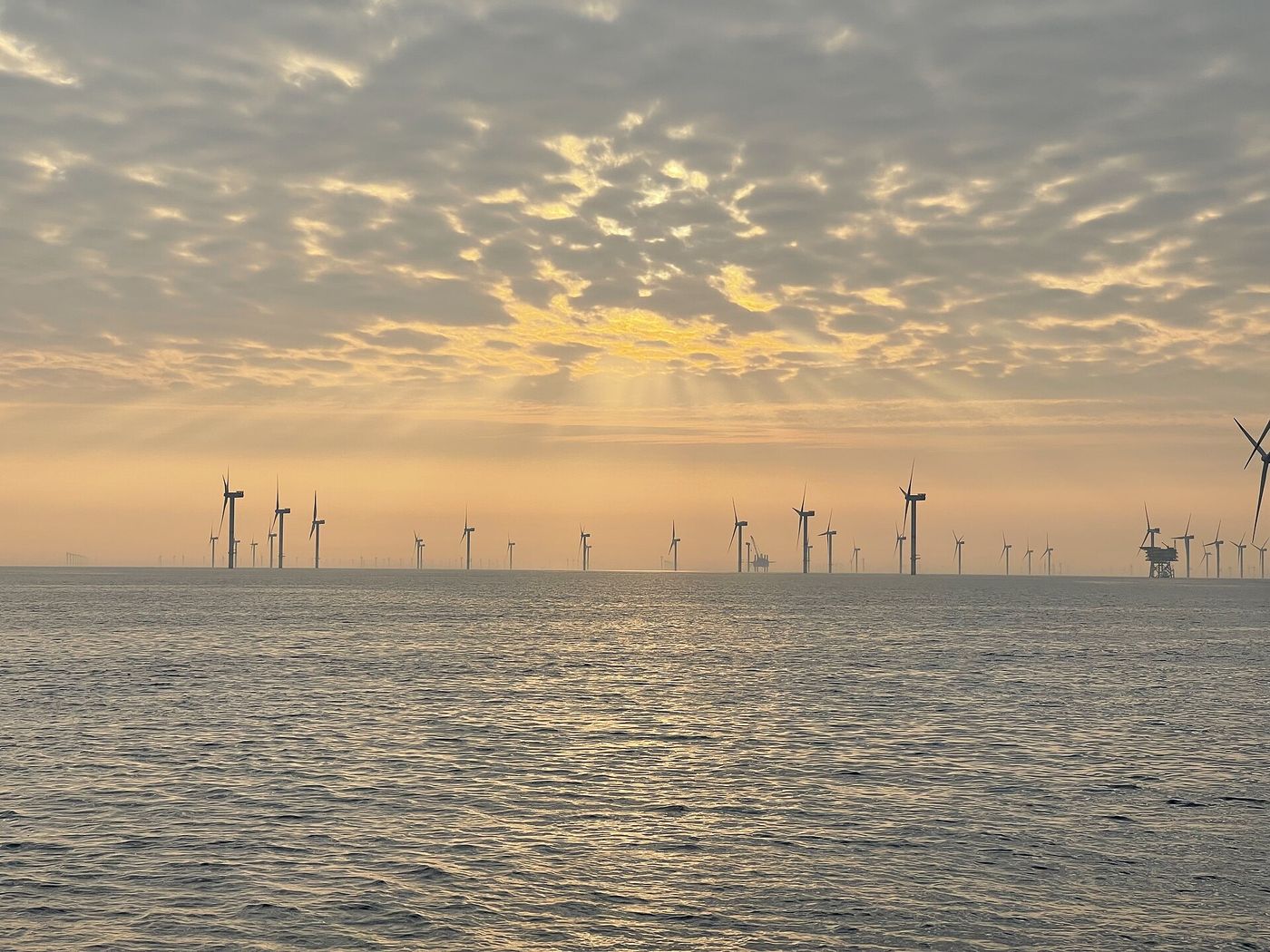
ESBJERG, Denmark — On a good day the wind farms off this port can produce more electricity than Denmark uses. On a bad day, a growing share of that power has nowhere to go.
The problem is not turbines. Manufacturers have largely solved the engineering of 15-megawatt machines and are delivering them on schedule. The problem is the subsea cable that connects them to the grid, which is made in a handful of factories in Europe and installed by fewer than two dozen specialized ships worldwide.
Cable makers say their order books are full through 2030. Developers of three projects in the German and Dutch sectors confirmed that export cables had become the critical path on their schedules, with one project pushed back by 14 months.
“We are now sequencing turbine installation around cable availability, which is backwards,” said Freya Lindholm, who manages offshore construction for a Danish utility. “Five years ago nobody would have believed it.”
Governments have noticed. A joint declaration by the North Sea coastal states last month promised to coordinate tenders so that manufacturers can plan factory expansions against a visible pipeline rather than a series of one-off auctions.
Whether that will be enough is uncertain. A new cable plant takes roughly four years to build and qualify. The ships take longer.
A version of this article appears in print on Oct. 11, 2026, Section B, Page 5 of the European edition with the headline: The North Sea Has Plenty of Wind. What It Lacks Is Cable..