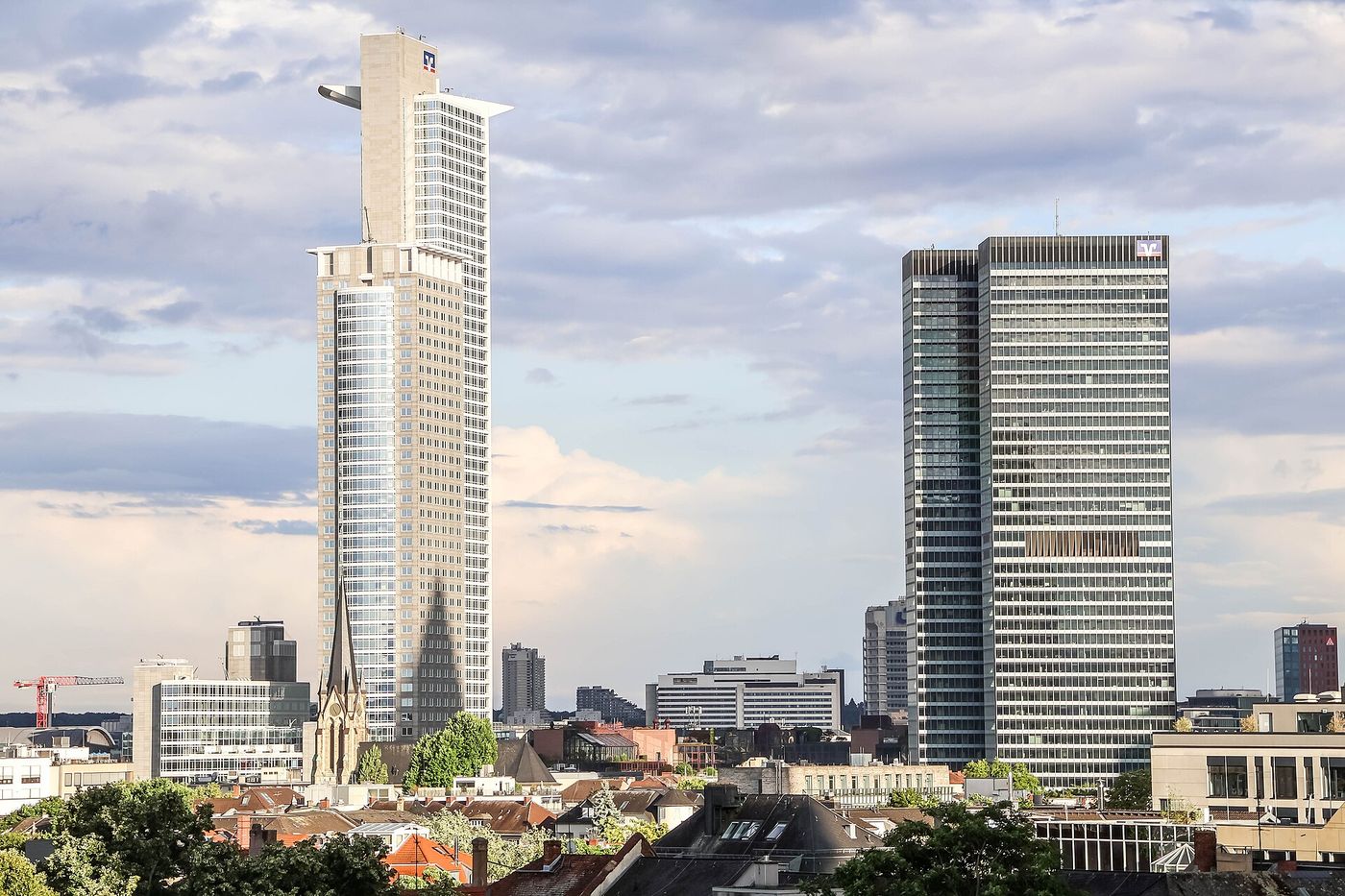
FRANKFURT — The towers of Frankfurt's banking district have rarely looked busier, or felt more anxious. Behind the glass, lenders are preparing shareholders for a year in which the business of taking deposits and making loans earns less than it has since the pandemic.
Net interest margins, the gap between what banks pay savers and charge borrowers, have narrowed for four consecutive quarters. Two of the country's largest lenders have announced hiring freezes, and a third is reported to be considering the closure of up to 120 branches.
The squeeze is a consequence of the rate cuts that markets cheered last year. Deposit costs have fallen more slowly than lending rates, in part because German savers have become quicker to move money to whichever bank pays most.
“The German depositor used to be loyal to the point of indifference,” said Markus Ebeling, a banking analyst. “That is over. Comparison apps did what thirty years of competition could not.”
Executives are betting that fee income from asset management and payments will fill the gap. Investors remain unconvinced: the sector's shares have trailed the broader European index by nine percentage points this year.
A version of this article appears in print on Oct. 11, 2026, Section B, Page 12 of the European edition with the headline: Frankfurt's Banks Brace for a Year of Thin Margins.