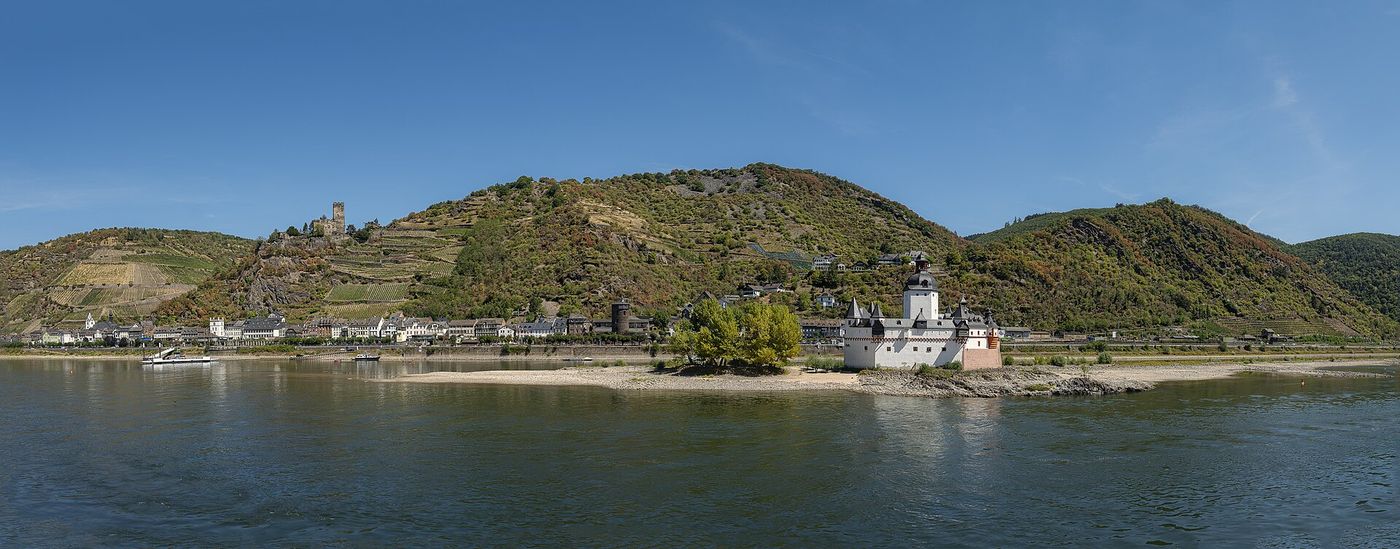
KAUB, Germany — The gravel bars are back. Below the medieval toll castle on its island in the Rhine, long tongues of pale stone have emerged from the water, and the barges that pass them do so slowly, sitting high, their holds no more than a third full.
On Saturday morning the gauge at Kaub, the narrow stretch between Mainz and Koblenz that governs shipping on Europe’s busiest river, read 42 centimeters. Anything below 78 is considered critical; at 40, many operators stop sailing altogether. The all-time low of 25 centimeters was set in October 2018, and in 2022 the river fell to 30. “We are not there yet,” said Sabine Ruprecht, a hydrologist at the Federal Institute of Hydrology in Koblenz. “But the forecast has no meaningful rain for ten days, and the Alpine reservoirs that normally feed the river in autumn are low.”
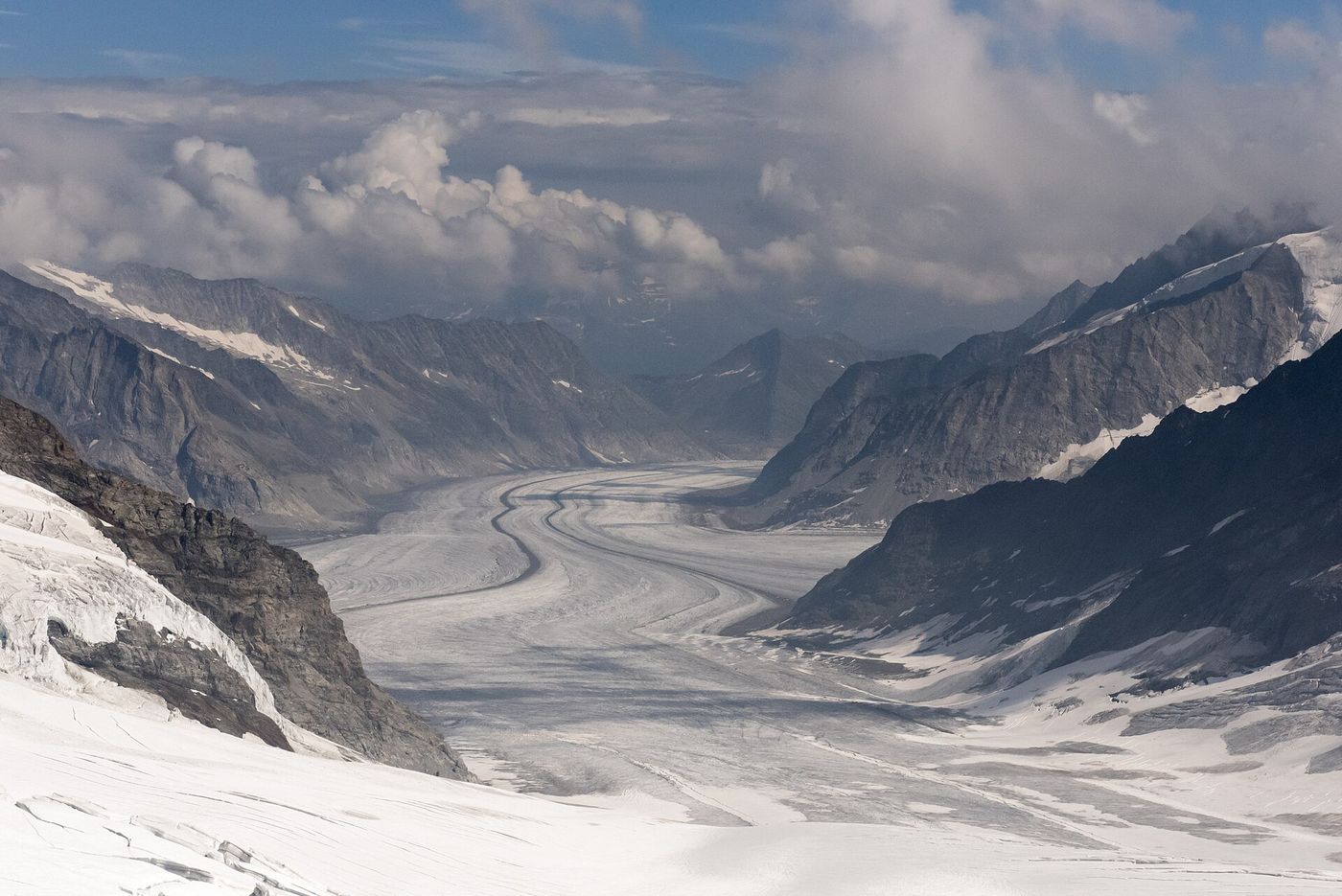
Rainfall across the Rhine basin has been about 40 percent below the long-term average since July, Dr. Ruprecht said, and glacier melt, which once reliably topped up the river in late summer, now contributes less each year as the glaciers shrink.
The economic effects are already visible. The spot rate to move a ton of cargo from Rotterdam to Basel reached about 95 euros this week, according to brokers, compared with 25 euros in a normal October. Chemical producers along the river have begun trucking raw materials, and two refineries in the Rhine-Main area have reported fuel shortages at their loading racks.
“We load 900 tons where we would normally load 2,800,” said Jürgen Hasselbach, who has skippered the 110-meter barge Anneliese for 23 years. “The customer pays three times as much and we earn less, because the fixed costs are the same. Nobody wins.”
BASF, whose Ludwigshafen complex receives about 40 percent of its raw materials by water, said it had activated the low-water plan it drew up after 2018, including a fleet of shallow-draft barges built for exactly this situation. “We can keep producing,” said Katrin Lemmerz, a company spokeswoman. “What we cannot do is pretend this is unusual anymore.”
Germany’s inland shipping association said Friday that its members had lost about 180 million euros to low water since August and renewed its call for the government to accelerate a long-planned deepening of the riverbed at Kaub by 20 centimeters. The project, approved in 2019, is not expected to be finished before 2031. “Every year of delay is a year of this,” said Wolfgang Teutsch, the association’s president.
By the castle, a tour boat that normally runs to Koblenz has been tied up since Wednesday. Its captain, Renate Scholl, watched a coal barge pick its way through the channel. “My grandfather told me about the dry year of 1947 like it was a legend,” she said. “Now I have one every two years.”
A version of this article appears in print on Oct. 11, 2026, Section A, Page 10 of the European edition with the headline: Rhine Falls to Autumn Low, and the Cost of Moving Europe’s Goods Climbs With It.