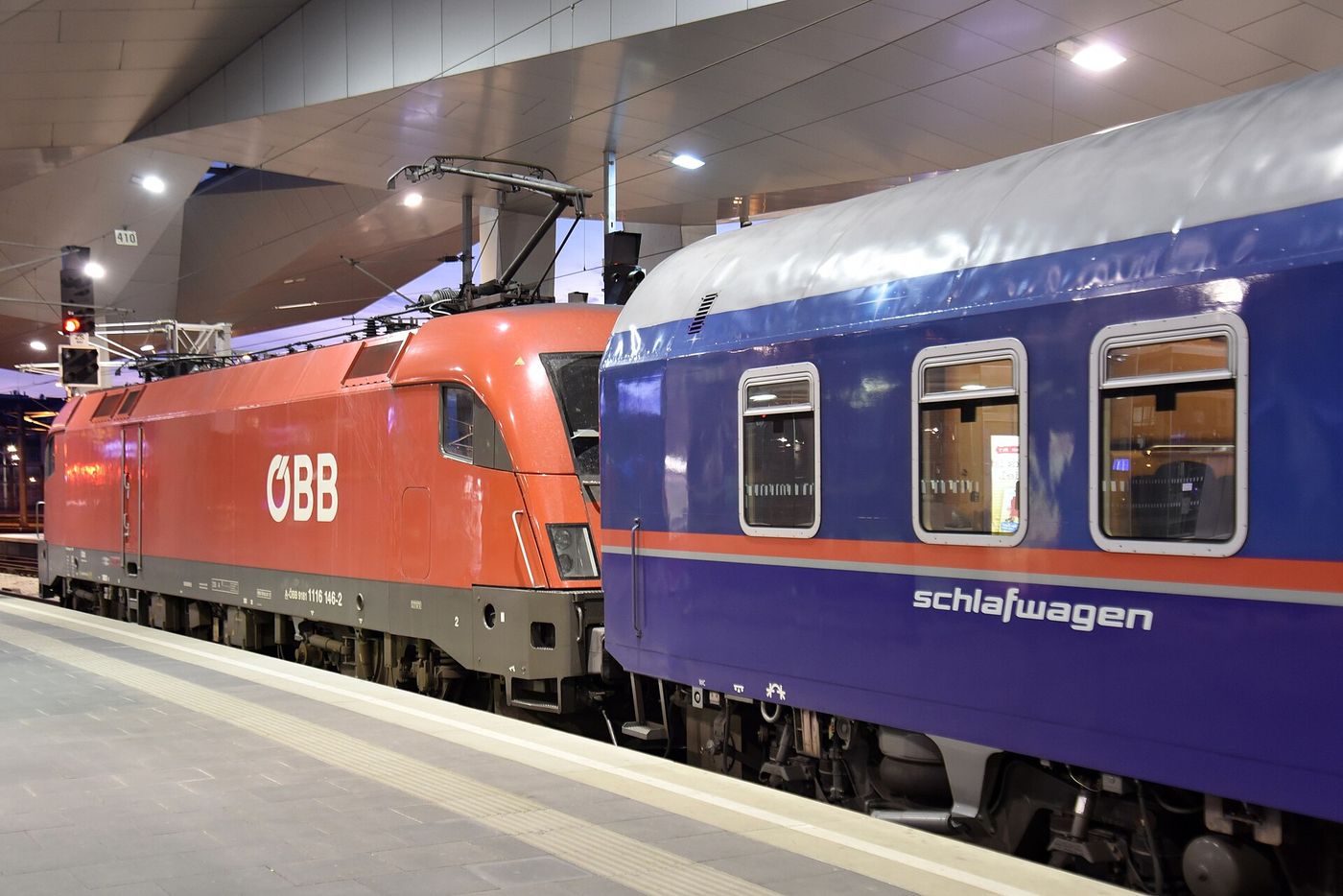
VIENNA — The 7:42 p.m. to Paris pulls out of Vienna's main station full. It has been full every night this month, and the operator says it could fill a second train if it had one.
A decade after European railways had nearly given up on overnight services, sleepers are back on more than a dozen routes, driven by travelers who want to avoid flying and by governments that have begun to subsidize them.
The constraint is rolling stock. New sleeper carriages take four years to order and deliver, and the handful of factories that build them are busy. Operators have refurbished cars from the 1990s and leased others from as far away as Scandinavia.
“Demand is not our problem,” said a spokesperson for the Austrian operator that runs most of the network. “Beds are our problem.”
Fares reflect it. A private compartment from Vienna to Paris now costs more than a flight and a hotel. The trains still sell out.
A version of this article appears in print on Oct. 11, 2026, Section C, Page 11 of the European edition with the headline: The Sleeper Train Is Back. The Hard Part Is Finding a Bed..