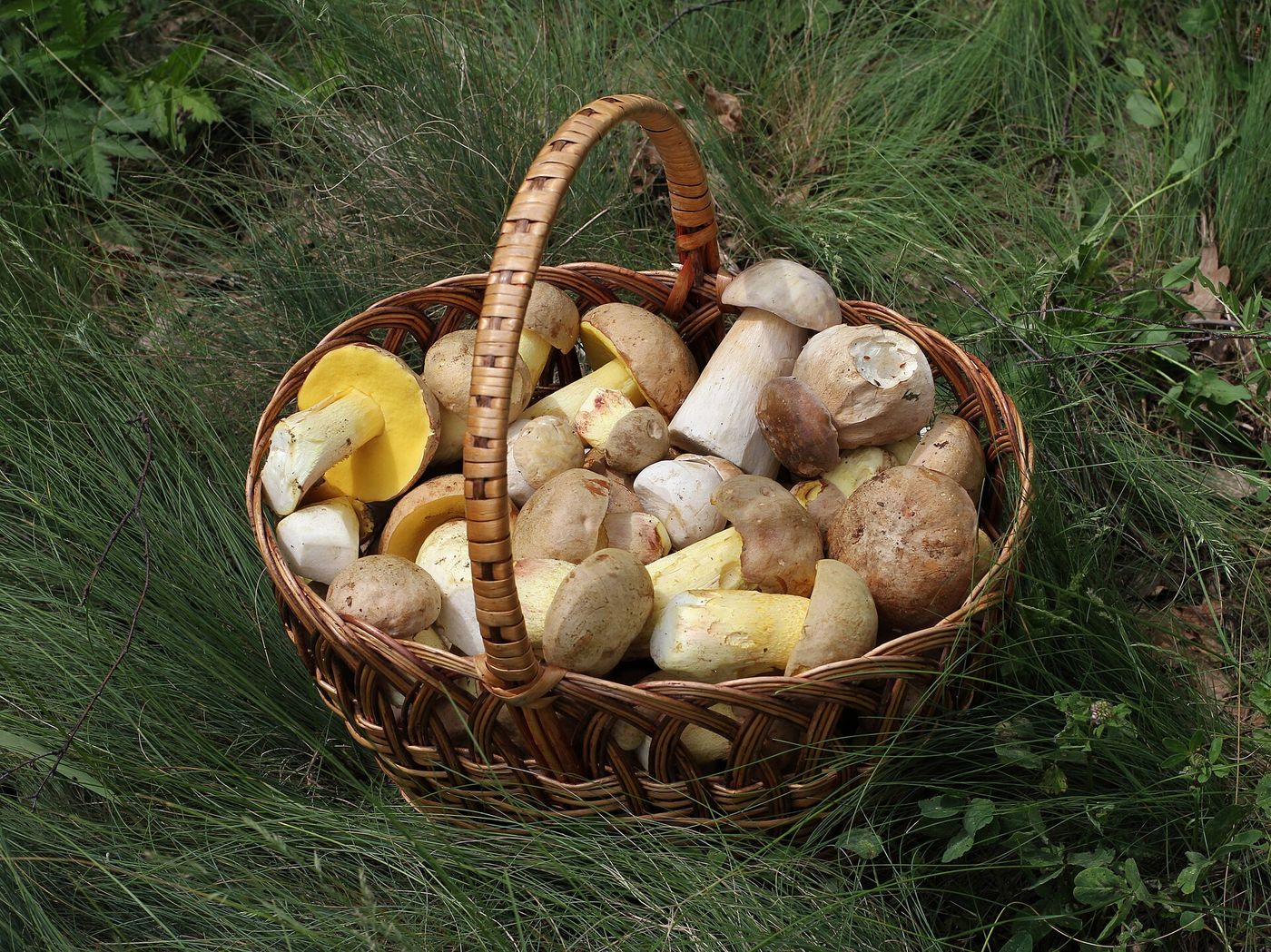
KAŠPERSKÉ HORY, Czech Republic — By 6:30 on Saturday morning, the parking lot at the edge of the forest above this town in the Šumava hills held 40 cars, and the people getting out of them carried wicker baskets, small knives and, in several cases, three generations.
“My grandmother brought me here. I brought my daughter. Now she brings her son,” said Václav Pospíšil, 71, a retired forester, holding up a bolete the size of a bread roll. “It is the one thing in this country everyone agrees on.”
Mushroom foraging is close to a national religion in the Czech Republic, where surveys consistently find that about 70 percent of the population goes picking at least once a year and the average foraging household gathers roughly seven kilograms a season. This year is an exceptional one. A warm, wet September following a dry summer has produced what the Czech Mycological Society is calling the best autumn flush since 2016.
“The forests exploded in the last two weeks,” said Jiří Hrubý, a mycologist at Charles University who runs the society’s public advice line. “Boletes, chanterelles, parasols, everything at once. We are getting 200 calls and about 600 photographs a day from people asking what they have found.”
Most of the queries are reassuring, Dr. Hrubý said, but the line exists for a reason. The country records about 300 mushroom poisonings a year, most of them mild; the dangerous cases almost always involve the death cap, which can be mistaken for several edible species. Smartphone identification apps have become popular and, he said, have made things both better and worse. “The apps are 90 percent right,” he said. “Nobody dies from the 90 percent.”
Foraging is permitted in all Czech forests, public and private, under a law dating to the Communist era that guarantees access for the collection of mushrooms and berries for personal use. Commercial picking is forbidden, though a gray market thrives on roadsides near the German border, where a kilogram of fresh boletes fetches about 400 koruna, or 16 euros.
The season has also been good for the small towns of the Šumava. Guesthouses in Kašperské Hory are fully booked on weekends through October, and the local pension owners have a long tradition of drying guests’ finds overnight in the kitchen. “People used to come for the hiking,” said Martina Beránková, who runs a 12-room guesthouse. “Now they come for the hiking and leave with a bag of dried mushrooms. We are a very happy town.”
By late morning, Mr. Pospíšil’s basket was full, and his grandson, Tomáš, 9, had found his first parasol mushroom, taller than his knee. “Now he is infected,” Mr. Pospíšil said. “There is no cure.”
A version of this article appears in print on Oct. 11, 2026, Section C, Page 13 of the European edition with the headline: In the Czech Forests, a Nation Goes Mushrooming, and the Hotline Stays Busy.