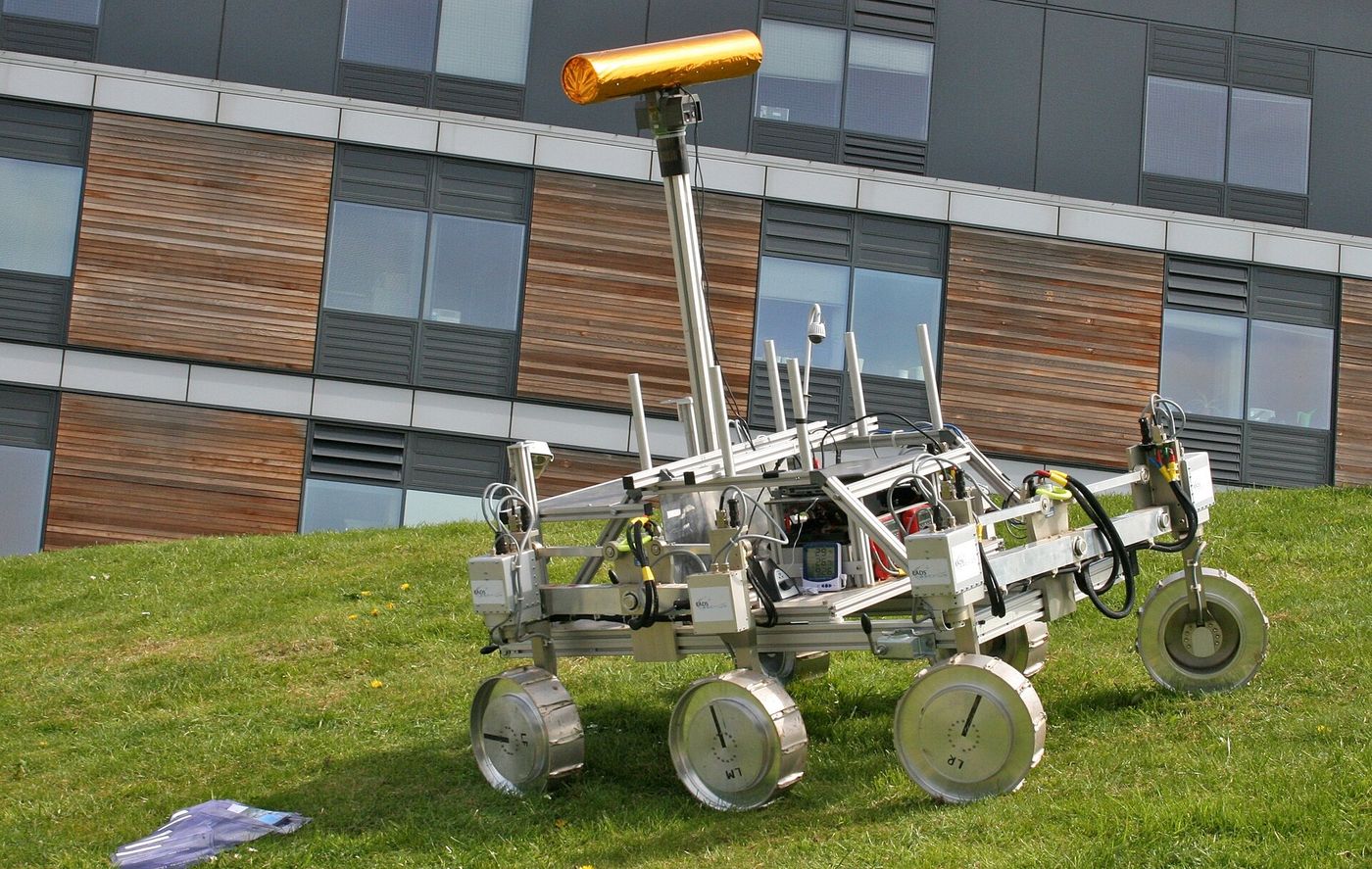
The rover was finished in 2020. It has spent the years since in a cleanroom, waiting for a way to get to Mars.
The European Space Agency confirmed this week that the Rosalind Franklin rover will launch in late 2028, with a landing in 2030. The original date was 2018.
The delays were not the rover's fault. Its first launch window slipped on parachute problems; its second was cancelled when the agency ended its partnership with Russia, which was to have provided the rocket and the landing platform. Both have since been replaced, with American and European hardware.
The science has waited patiently. The rover carries a drill capable of reaching two meters below the surface, deeper than any previous mission, to look for signs of ancient life in rock that has been shielded from radiation.
“The question we are asking has not changed in eight years,” said the mission's lead scientist. “Neither has the fact that nobody else can answer it.”
A version of this article appears in print on Oct. 11, 2026, Section A, Page 13 of the European edition with the headline: Europe's Mars Rover Finally Has a Launch Date, Eight Years Late.