DRESDEN, Germany — The cranes above the northern edge of this city mark the largest industrial construction site in Germany. Below them, three semiconductor plants are taking shape at once, financed by the biggest state subsidies the European Union has ever approved for a single sector.
The money was the easy part. The companies building the plants say they need roughly 7,000 engineers and technicians over the next three years, in a region whose universities graduate a few hundred in the relevant disciplines each year.
Recruiters have fanned out to Taiwan, India and Eastern Europe. A technical college in the city has doubled its intake for cleanroom technicians, with the course taught partly in English.
“A fab is a very expensive building until you have the people who know how to run it,” said Dr. Wen-Li Hsu, who moved from Hsinchu to lead process engineering at one of the new plants. “We are building both at the same time.”
Local officials point to housing as the next constraint. Rents in Dresden have risen 18 percent in two years, and the city has approved three new districts to absorb the expected arrivals.
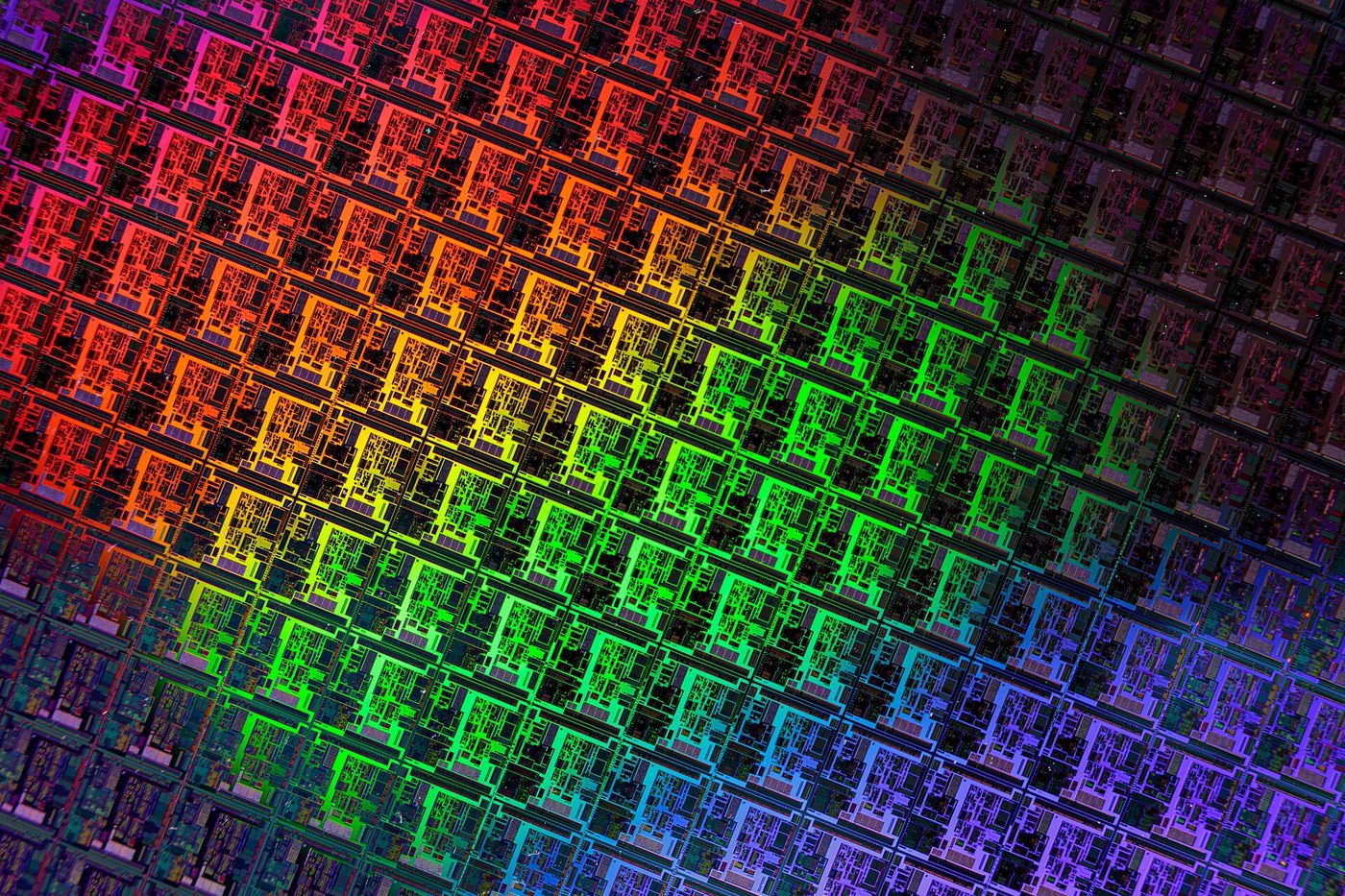
The first of the plants is scheduled to produce its initial wafers in late 2027. Whether all three reach full output on time will say a great deal about whether Europe's ambition to make a fifth of the world's chips by 2030 was ever realistic.
A version of this article appears in print on Oct. 11, 2026, Section A, Page 1 of the European edition with the headline: Inside the Race to Make Europe's Chips in Dresden.